
Welcome to FleshlyX
This website is showing adult contents and is strictly prohibited for persons under 18 years old. We decline any responsibility in case of abuse.
This website is showing adult contents and is strictly prohibited for persons under 18 years old. We decline any responsibility in case of abuse.

Hentai is a term that for some audiences is immediately recognizable, while for others it still remains vague or misunderstood. In general usage outside Japan, it refers to adult-oriented animated and illustrated content created in the visual tradition of anime and manga. Although hentai originated in Japan, it has long since crossed cultural and geographic borders, becoming a global form of digital entertainment with its own audience, artistic conventions, and distribution platforms.
In its original Japanese context, the word “hentai” describes something deviant or outside accepted norms. Internationally, however, it has evolved into a practical label for erotic animation, comics, and illustrations. Unlike live-action adult productions, hentai relies entirely on fictional characters and constructed worlds. This separation from reality gives creators extensive freedom and allows viewers to engage with fantasy-driven scenarios without the expectations associated with realism.
The worldwide rise of hentai is closely linked to the mainstream success of anime. As anime gained acceptance across Western markets, interest naturally expanded toward adult variations of the medium. Today, hentai enjoys strong popularity not only in Japan, but also in the United States, Canada, Germany, France, the United Kingdom, Scandinavia, and many parts of Central and Eastern Europe. The internet has effectively removed cultural barriers, making this niche accessible on a global scale.
The audience for hentai is often more diverse than stereotypes suggest. Viewers come from different age groups and backgrounds, frequently sharing interests in anime, gaming, fantasy literature, or digital art. For some, hentai functions as escapism; for others, it represents a visually stylized alternative to traditional adult content. The animated format creates emotional distance from reality, which many users find appealing.
Hentai is also defined by its wide range of visual styles. Rather than following a single aesthetic, it encompasses numerous artistic approaches that have developed over decades. Below is a concise overview of the most popular and recognizable hentai styles.
1. Mainstream Anime (TV / Studio Style)
This is the most widely recognizable hentai style, closely resembling standard television anime and studio productions. It features clean linework, balanced body proportions, and consistent character models. The overall look is neutral and accessible, making it a common entry point for many viewers.

2. Ecchi Style
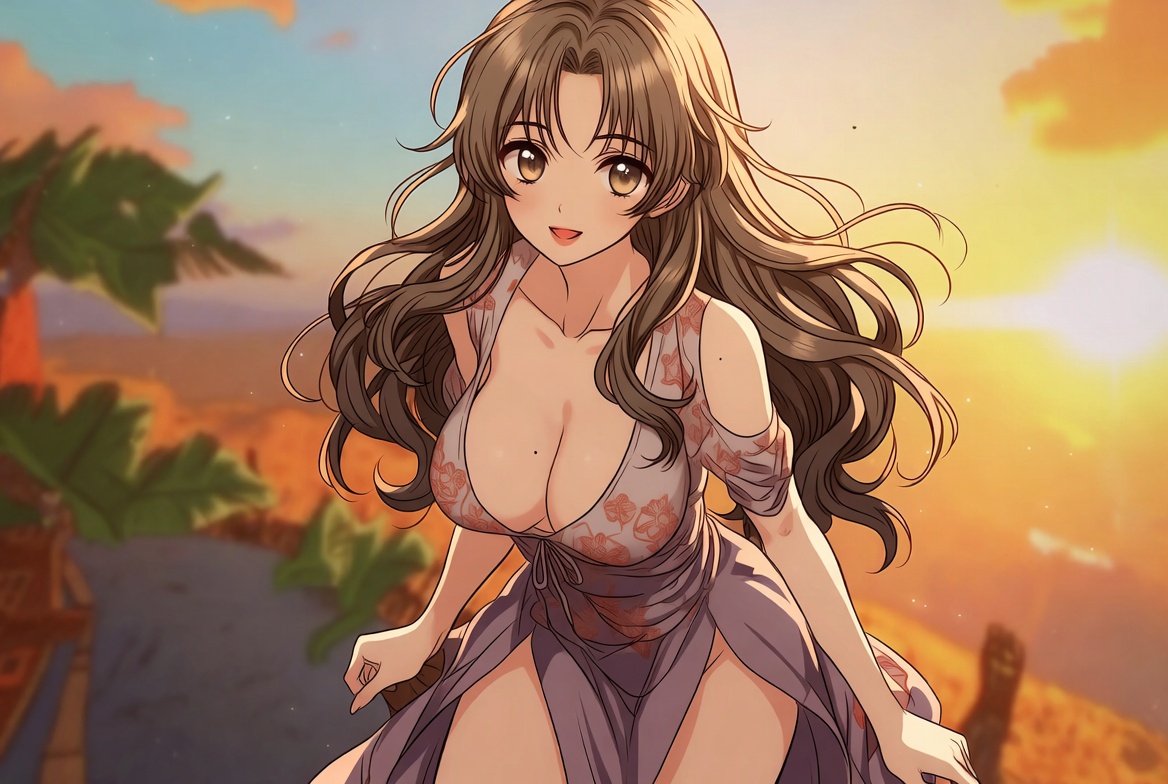
Ecchi-style hentai highlights body shapes, expressive poses, and dynamic facial expressions. While still firmly rooted in anime aesthetics, it avoids realism and instead relies on energy, movement, and suggestive framing to create impact.
3. Doujinshi Style
Doujinshi refers to fan-created works and is one of the most diverse categories. Artistic quality and style vary greatly, ranging from very simple lineart to highly polished illustrations. Many doujinshi works are strongly inspired by existing characters or franchises, giving this style a personal and experimental feel.
4. Semi-Realistic Anime
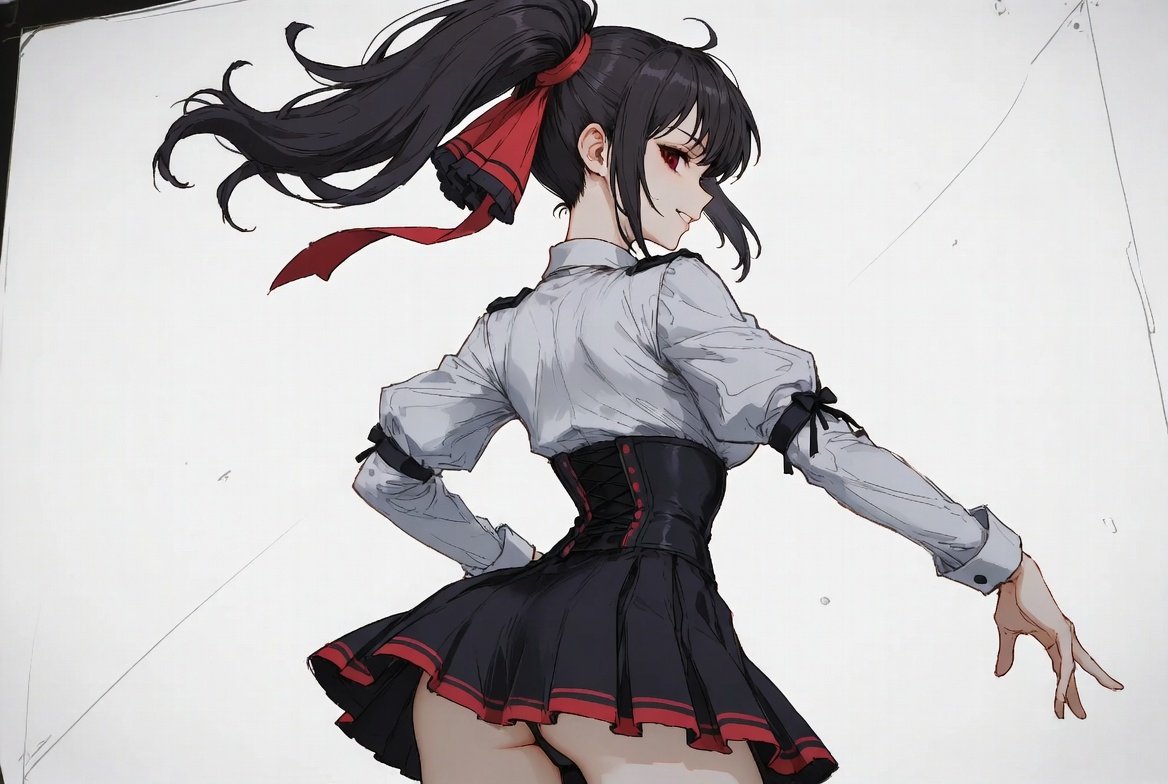
This style blends traditional anime features with more realistic anatomy and lighting. Characters often have more mature facial structures, improved depth, and greater attention to volume and shading. It is popular among experienced artists and long-time fans.
5. Realistic Manga / Seinen Style
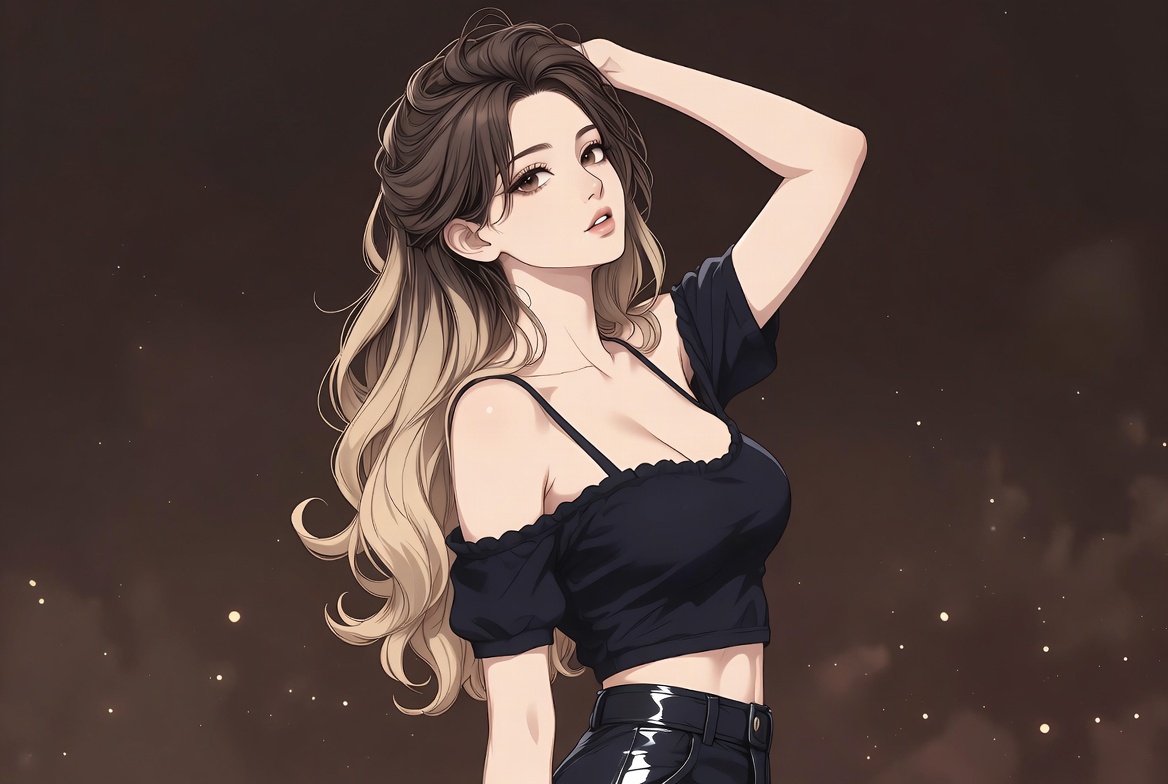
Inspired by adult-oriented manga, this approach focuses on natural proportions, restrained stylization, and strong use of light and shadow. Compared to classic anime styles, it feels more serious and grounded.
6. Manhwa / Webtoon Style (Korean Influence)
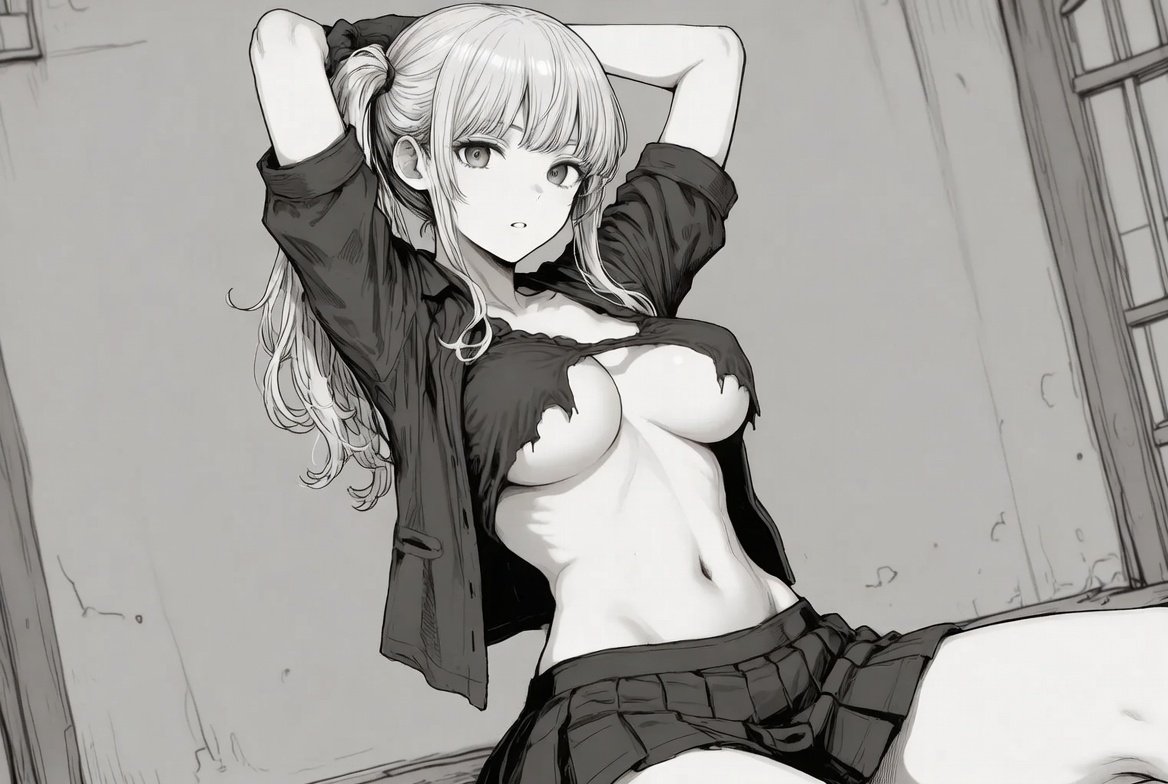
This modern style is characterized by smooth coloring, very thin or absent lineart, and highly polished, idealized faces. It has become increasingly popular due to the global success of digital webtoons.
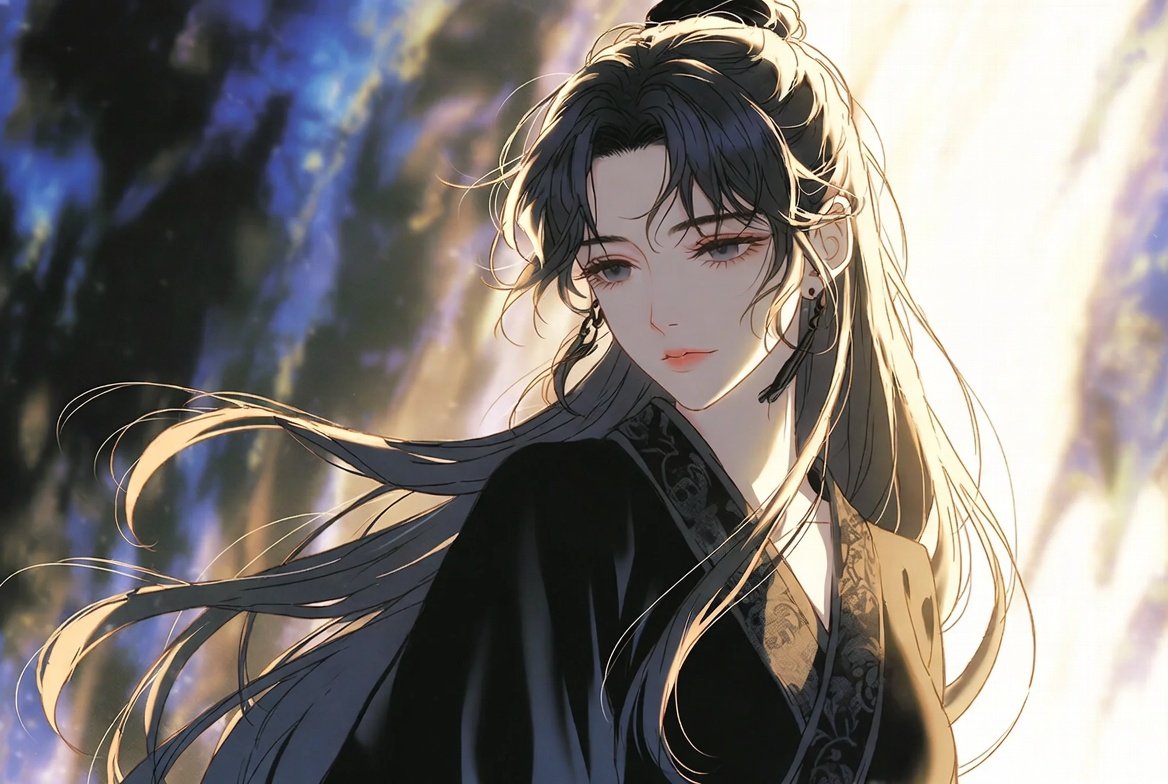
7. Painterly Anime Style
In painterly hentai, lineart plays a secondary role or disappears entirely. Visible brush strokes, textured shading, and dramatic lighting dominate the image, giving it a more artistic and illustrative appearance.
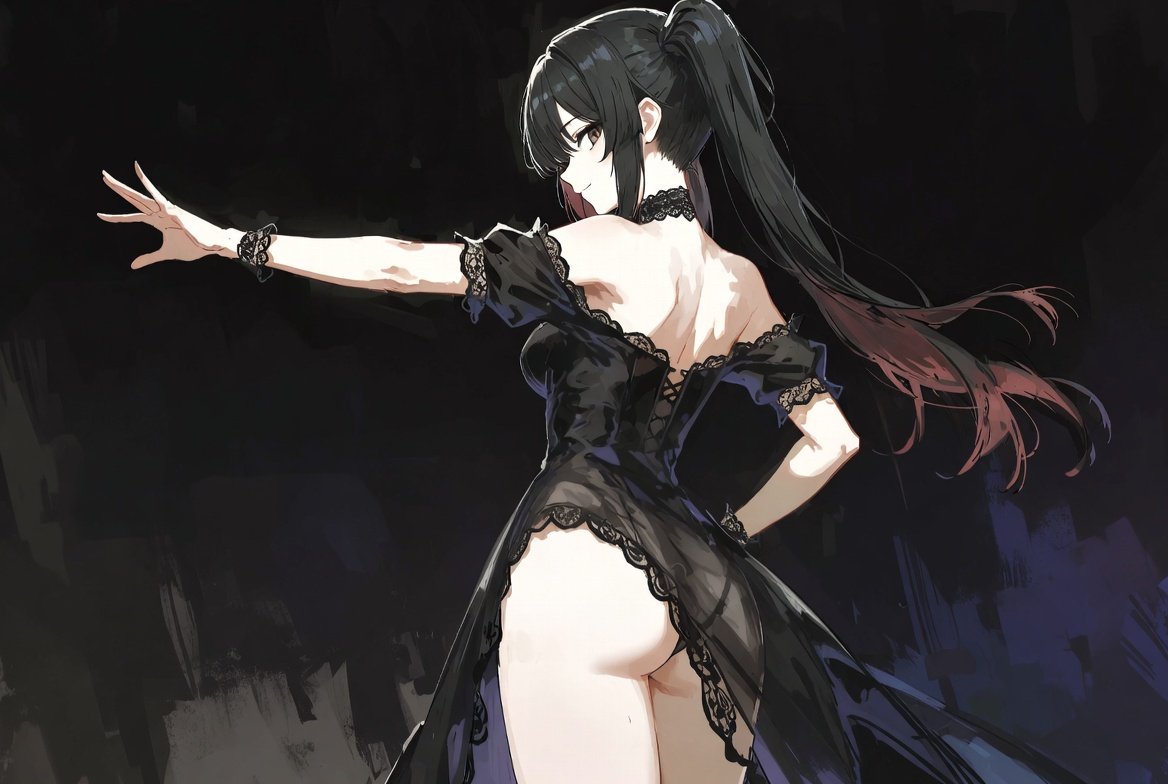
8. Old-School Manga (1980s-1990s)
Retro hentai styles feature thick outlines, strong contrast, screentone textures, and highly expressive faces. Many fans appreciate this style for its nostalgic and distinctive visual identity.
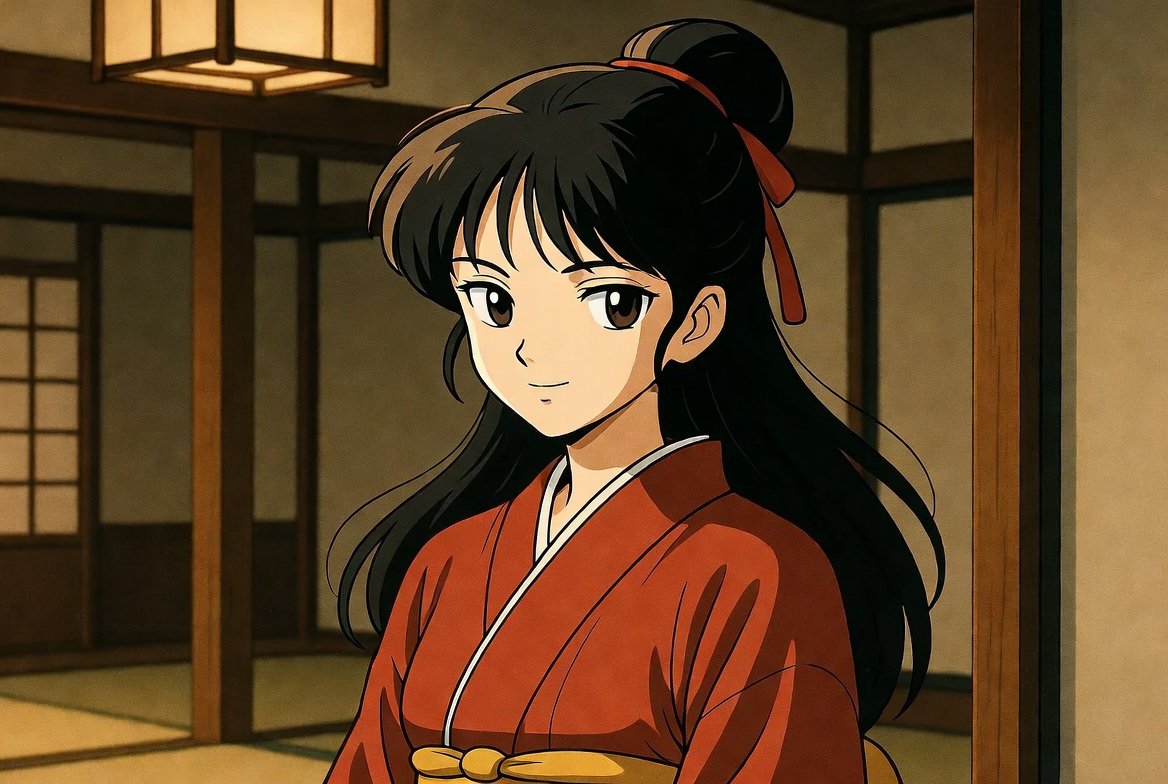
9. Chibi Style
Chibi designs intentionally exaggerate proportions, with oversized heads and very small bodies. This style is often humorous and playful, prioritizing charm and simplicity over detail.
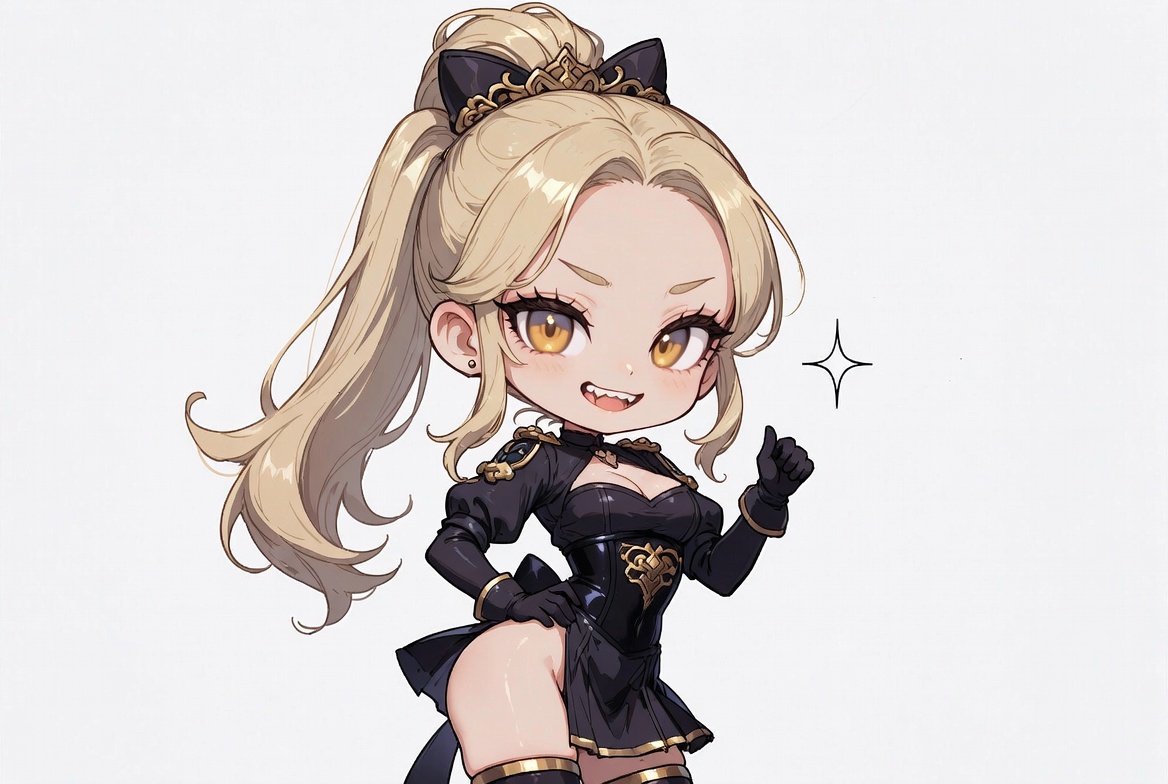
10. Minimalist Anime
Minimalist hentai relies on reduced linework, flat colors, and symbolic details. The result is a clean, modern look influenced by graphic design rather than traditional illustration.
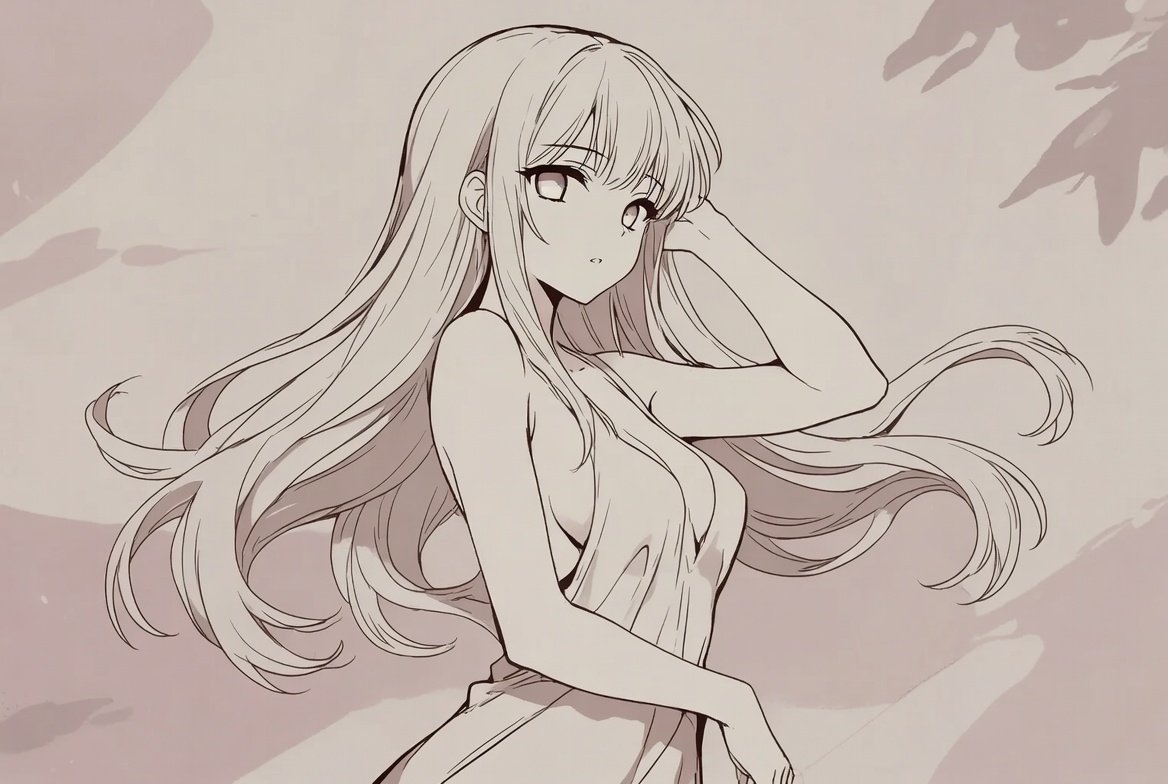
Many hentai artists do not limit themselves to a single aesthetic. It is common to mix styles (for example, combining moe elements with semi-realistic anatomy), modify facial designs while keeping the same body structure, or adapt the visual approach to fit the mood of a scene rather than forcing a fixed style.
As interest in hentai has grown, specialized platforms dedicated exclusively to this type of content have emerged. Instead of browsing large general-purpose adult sites, many users prefer focused services. One example is HentaiGOAT, a tube-style platform centered entirely on animated and illustrated hentai content.
For users actively searching for Hentai Video rather than live-action adult content, dedicated platforms make discovery much easier. HentaiGOAT offers over 15000 Free Hentai Video, allowing viewers to watch animated and illustrated hentai without the need for registration or payment. This approach is especially appealing to users who want to explore the genre at their own pace or who prefer casual viewing instead of premium subscriptions. By focusing exclusively on hentai and making free content available, platforms like HentaiGOAT reflect how hentai consumption has become more organized, accessible, and intentionally separated from traditional adult video sites.
Overall, hentai is no longer a marginal curiosity. It has developed into a recognizable segment of internet culture, shaped by evolving technology, artistic experimentation, and global fandoms. With diverse visual styles, multiple formats, and dedicated platforms, hentai continues to expand as a distinct and enduring form of adult-oriented digital media.


Introduction: The world of sex dolls has seen significant advancements over the past...

I don't remember the first time I watched porn. Most people don't. Not...

OnlyFans has evolved from a niche content platform into a powerhouse in the...

Most people have a minimal understanding of sex, which is excellent for males...


